

Online art therapy supervision
With a practicing contemporary artist
Looking for an art therapy supervisor?
Supervision is a place to look closely at the work: what you are noticing, what you may be missing, what is happening between you and your client, and where art might open something that talking alone cannot. You don't have to arrive at supervision already knowing what the question is.
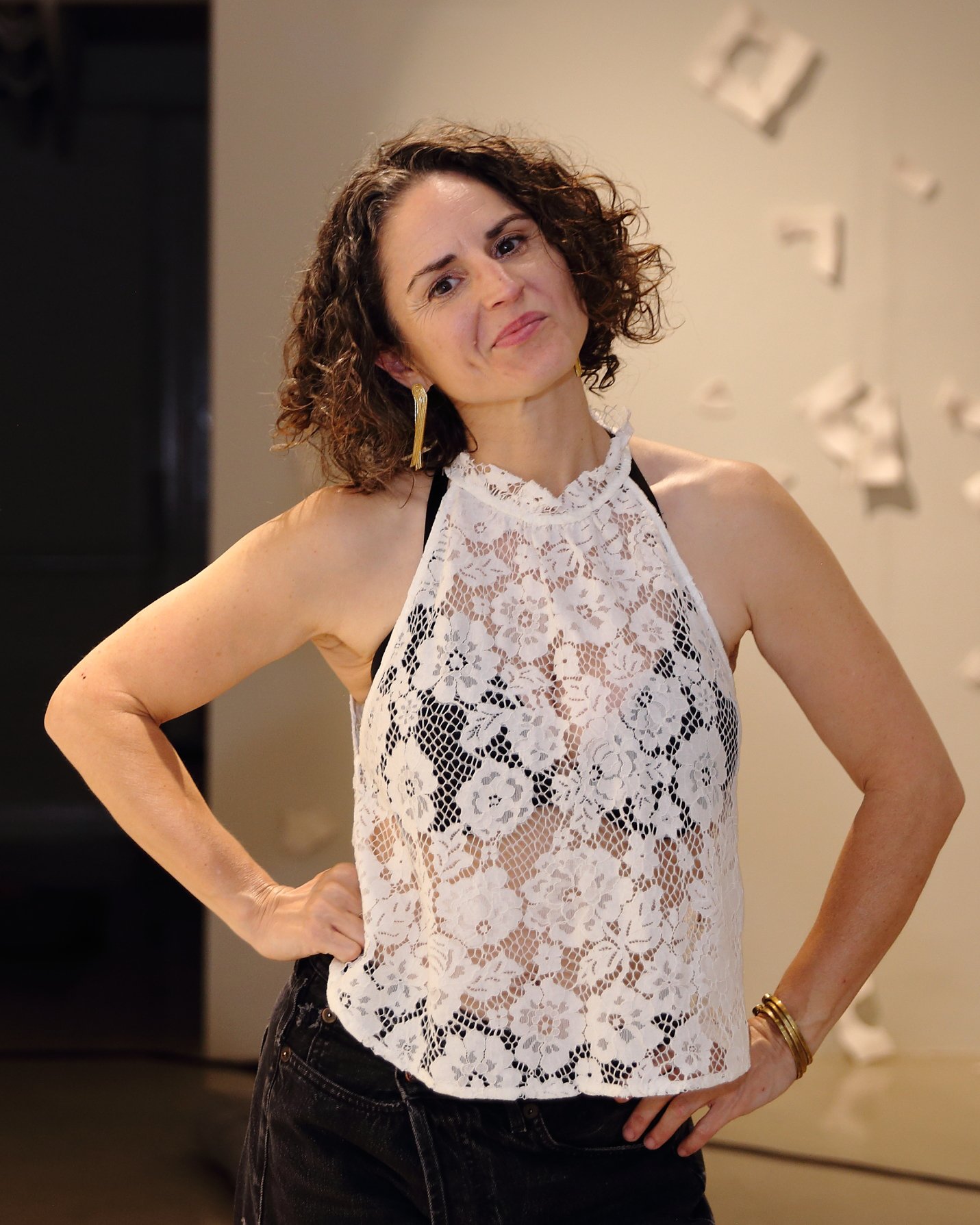
I am a Board Certified Art Therapist and practicing contemporary artist with more than 25 years of exhibition experience. My approach to supervision is responsive, helping you develop your own way of working as an art therapist. We can work with cases, images, your own art-making, questions about materials and directives, or the moments when you simply aren't sure what to do next.
Together, we may:
Strengthen your ability to look at artwork clinically without reducing it to interpretation
-Separate what you observe from what you assume, infer, or feel
Notice counter-transference and use your own responses as information rather than answers
Think through when, why, and how to introduce art within a session
Use your own art-making to slow down, reflect, and see a case differently
Develop a way of practicing art therapy that is clinically grounded and genuinely your own
My approach to supervision is to...
Stay curious about uncertainty, contradiction, and the places where a case does not yet make sense
Think concretely about interventions: why this material, why this directive, why now, and what happened when you tried it
Challenge you when useful, without imposing a single "right" way to practice art therapy
-
Yes. I'm a Board Certified Art Therapist (ATR-BC), so hours with me count toward your ATR.
The specifics depend on your situation. Depending on your degree and coursework, you'll need either 100 or 150 hours of supervision, and at least 50% of those must come from an ATR-BC. If you're working in private practice, all of your hours must be with an ATR-BC. The ATCB has revised these requirements more than once recently, so it's worth checking the current standards directly.
One thing that often trips people up: you MUST already have your ATR-P number before we can begin. Hours accrued before that number is issued will not count, and there's no way to apply them retroactively.
-
This is more common than people expect, and it's one of the reasons I do this work.
Many art therapists end up in positions where the job description says clinician, the caseload is full, and the art quietly disappears. You may be using your MFT, CSW, MHC... and wondering where the other half of your training went. Supervision is a place to bring it back. We will think about where art could enter the work you're already doing, what's realistic in your setting, and what it would take to build a practice that uses what you trained for.
You don't need an art therapy job title to work on being an art therapist.
-
Yes, both.
Individual supervision is one-on-one, scheduled around your availability, and fully shaped by your cases and questions.
Group supervision meets weekly with up to six supervisees. Per ATCB guidelines, one hour of group supervision with six or fewer people counts as one hour of individual supervision toward your ATR.
Group has its own advantages: you hear cases you wouldn't otherwise encounter, and you learn from how other people think through material.
-
We meet weekly, for one hour.
I ask that supervisees commit for the duration of their required ATR-BC hours. Supervision works through accumulation — I get to know your cases, your patterns, how you think, which is difficult to build if people come and go. That said, life happens, and I'd rather talk about it than have someone disappear.
-
Individual supervision is $100 per session, scheduled around your availability, and fully shaped by your cases and questions.
Group supervision is $65 per person per session, billed monthly.
Both are one hour and count equally toward your ATR hours.
-
No. Art-making is available, not required.
There are moments when making something is the fastest way to understand what's happening in a case, such as when you're stuck, when your response to a client is hard to name, when talking about the work has started to circle. In those moments I may suggest we make something. Sometimes it's simply ten minutes with a marker or using your hands while you verbally recall the session.
But supervision is not a studio requirement, and plenty of useful sessions involve no art at all. You decide what's useful. I help you shape it.
-
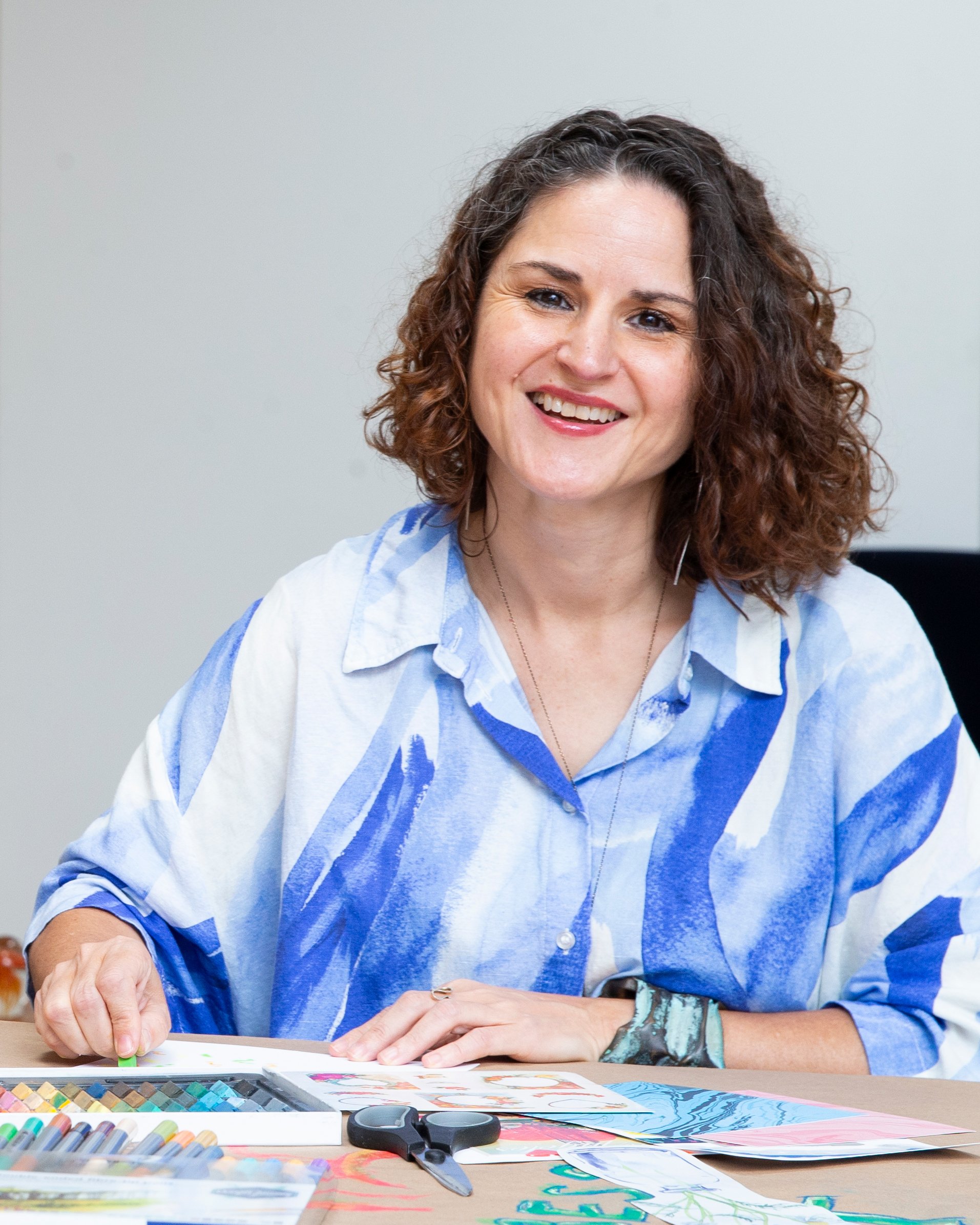
I've spent decades thinking about images, objects, concepts, materials, and what it means to spend real time with something. That way of looking is distinct from my clinical training, and it shows up in how I supervise.
Practically, I'm more likely to ask what you notice about a client's work before asking what you think it means. I think about why a material behaves the way it does, why one directive opens something and another closes it down, and what happens in the gap between making and talking about what was made.
It also means that some of the prompts I use in clinical work come as much from studio practice as from art therapy training. For example: Tape a blank sheet of paper to the wall and look at it. Don't notice anything. Don't do anything. Just look.
The point isn't always to make something. Sometimes changing the conditions of attention is the intervention. That way of thinking comes directly from being both an artist and an art therapist.
-
Let's talk!
I offer a free consultation call. Bring your questions. Tell me about your work and what you're hoping supervision will do. If it's a fit, we'll figure out the logistics. If it isn't, I'd rather we both know that early, and I'm glad to point you toward other supervisors.
Before we start.